ASL Sign Language Illustrations for Authentic Branding
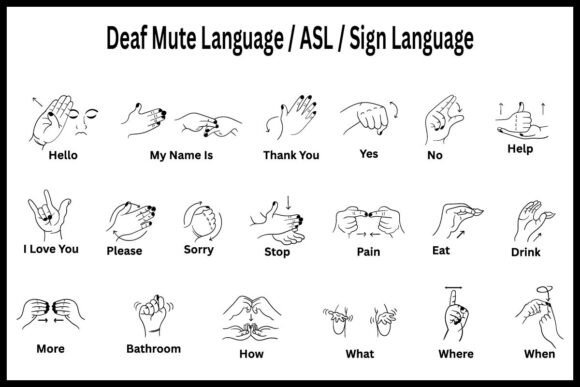
As a brand designer with years of experience helping local businesses craft their visual identities, I recently reviewed the ASL Sign Language Deaf Mute Language graphic design asset. This illustration is more than just a decorative element—it's a powerful tool that can help small business owners communicate inclusivity, thoughtfulness, and community engagement through their branding. Whether you're designing product labels, packaging, or social media graphics, understanding how this design fits into your brand’s personality is essential before moving forward.
A First Impression That Speaks Volumes
The first thing that struck me about ASL Sign Language Deaf Mute Language was its clarity and purposeful style. The hand signs are rendered in a clean, modern illustration format that feels both educational and approachable. It doesn’t scream “luxury” or “corporate,” but it does exude professionalism and intentionality—perfect for brands that want to showcase accessibility without compromising on visual quality.
This design suggests a brand personality that is empathetic, inclusive, and socially conscious. If you're running a boutique store, a handmade soap business, or even a family-run bakery, this kind of imagery could resonate well with customers who value thoughtful communication and diverse representation. It adds a layer of warmth and sincerity that many local brands aim to achieve.
Where This Design Shines in Real Business Applications
When evaluating a design asset like ASL Sign Language Deaf Mute Language, it's important to think beyond aesthetics and consider functionality. Here are several practical use cases where this illustration can enhance your brand presentation:
- Product Labels: Incorporating ASL signs as icons next to key phrases such as "Thank You," "Welcome," or "Made With Love" can make your label feel more personalized and welcoming.
- Packaging Accents: Use the illustrations subtly on corners or as part of a pattern to reinforce your brand’s message of inclusion without overwhelming the design.
- Social Media Graphics: These visuals can be used in promotional posts to highlight events, workshops, or partnerships with deaf communities—adding authenticity and emotional connection.
- Printable Inserts: Ideal for thank-you cards or customer guides, especially if your brand caters to a broader audience including those who benefit from visual communication.
- Seasonal Campaigns: During holidays or special events, these illustrations can serve as unique accents in posters or flyers that celebrate diversity and accessibility.
Supporting Stronger Brand Presentation
Graphic design assets like ASL Sign Language Deaf Mute Language can do more than just look good—they can help shape how your brand is perceived. Here are some ways this illustration can elevate your local business branding:
- Improves first impression by showing empathy and awareness.
- Enhances product recognition when used consistently across multiple touchpoints.
- Creates a clear visual hierarchy when paired with text, guiding attention naturally.
- Strengthens brand identity by aligning your visuals with your core values.
- Builds customer trust through accessible and meaningful communication.
- Increases shelf appeal when integrated into packaging design for local shops or markets.
- Encourages a stronger emotional connection with audiences who appreciate inclusive messaging.
- Delivers more polished marketing visuals when used in digital campaigns or print materials.
For example, imagine a local coffee shop using this design in their seasonal latte art posters or as part of their hang tags. It not only makes the design visually engaging but also communicates an ethos of care and community—key traits for building lasting customer relationships.
Best Practices for Effective Use
To get the most out of ASL Sign Language Deaf Mute Language, consider where it will work best in your design ecosystem:
- Hero Graphics: Feature the illustration prominently on website banners or landing pages to immediately convey your brand’s commitment to inclusivity.
- Promotional Banners: Use the sign language elements in event promotions or limited-time offers for added visual interest and relevance.
- Boutique Visuals: Especially effective for niche or artisanal businesses that want to stand out with a unique and authentic brand image.
- Product Mockups: Try integrating the designs into mockup templates to see how they appear on physical items like mugs, t-shirts, or candles.
- Decorative Brand Elements: Add the illustrations to background patterns or subtle accents in your editorial design for consistency and depth.
These are all scenarios where the illustration supports storytelling and strengthens your brand’s visual language. Just remember to keep the rest of your design cohesive and ensure the ASL elements complement rather than distract from your main message.
Design Considerations and Limitations
While ASL Sign Language Deaf Mute Language is versatile, there are situations where it may need to be used carefully:
- Formal Corporate Branding: The casual, illustrative nature of this asset might not align with highly structured or formal brand identities.
- Very Small Labels: The details in the illustration may become lost at tiny sizes, so always test it on real-world label dimensions.
- Crowded Packaging: If your design already has a lot going on, adding another visual element could reduce legibility and impact.
- Ingredient-Heavy Layouts: Avoid placing the illustration over dense text areas, such as ingredient lists or nutritional information, where clarity is critical.
- Low-Contrast Backgrounds: Ensure the illustration stands out against your chosen color palette; otherwise, it may fade into the background unintentionally.
- Luxury Minimalist Brands: While beautiful, this design might clash with minimalist aesthetics that prioritize simplicity and subtlety.
In short, while this illustration is incredibly expressive and useful, it needs careful placement to maintain readability and effectiveness. A strong brand relies on balance—so don’t let the decoration compete with the essentials.
Practical Tips for Brand Designers and Entrepreneurs
Before finalizing the use of ASL Sign Language Deaf Mute Language in your branding project, here are some expert tips to ensure optimal results:
- Test it on real packaging mockups: See how it looks in context before printing anything physical.
- Check black-and-white usage: Make sure the illustration remains legible and meaningful in grayscale for printed materials or toner limitations.
- Preview it on small labels: Zoom in and assess whether the design still conveys its intended meaning when scaled down.
- Test it with brand colors: Overlay the illustration onto your brand’s color scheme to confirm it harmonizes or stands out as needed.
- Compare it with competitor packaging: Ensure your use of the illustration differentiates your brand positively in the market.
- Review PNG transparency: If using for overlays or transparent backgrounds, verify that the file maintains its clarity and sharpness.
- Inspect SVG or vector editability: For custom applications, having access to scalable vectors can make a big difference in flexibility and precision.
- Test beside various font styles: Pair the illustration with serif, sans-serif, script, handwritten, and display fonts to find the best visual synergy.
- Confirm commercial licensing: Always verify that the asset is licensed for use in your branding projects, especially if you plan to sell physical products or use it in client work.
Why Local Businesses Should Care About Inclusive Graphic Design
In today’s marketplace, consumers are looking for brands that reflect their values. By incorporating the ASL Sign Language Deaf Mute Language illustration into your design strategy, you’re not just adding a visual element—you’re making a statement. This is particularly impactful for local businesses that rely on community support and personal connections.
Handmade sellers, food businesses, and boutique owners can benefit greatly from this type of imagery. It helps build a stronger emotional bond with customers, especially those who identify with the themes of accessibility and diversity. Think of how it could appear alongside a logo for a children’s toy line, or as part of a candle brand’s eco-friendly messaging. The possibilities are vast when you combine purpose with design.
Final Thoughts for Creative Entrepreneurs
The ASL Sign Language Deaf Mute Language illustration is a compelling graphic design asset for any small business owner or brand designer aiming to create more inclusive and emotionally resonant visuals. It’s ideal for supporting brand identity through thoughtful design choices, and it works well in both digital and print formats when handled correctly.
However, like any design element, it should be tested thoroughly. From checking its visibility on low-contrast surfaces to ensuring it complements your typography and brand voice, every detail matters. As a professional designer, I recommend using it in contexts that allow it to breathe—like hero graphics or decorative accents—rather than cramming it into crowded layouts.
If you're ready to explore this illustration further, start by downloading the asset and experimenting with it in your favorite Canva template or design software. Look at how it interacts with your existing brand assets and consider commissioning a custom version if needed. Remember, the goal isn't just to look good—it's to connect with people in a meaningful way.