Heart Icons Review
First Impressions: A Simple Yet Powerful Design
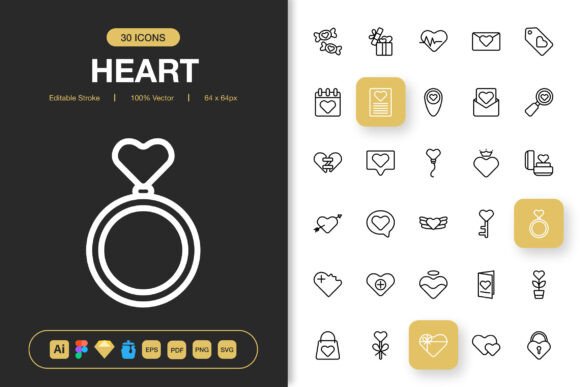
From the moment I opened the Heart Icons set, I was struck by the clean, minimalist aesthetic. The design is uncluttered, with a focus on the heart shape that feels both timeless and modern. It’s the kind of icon that can blend into any project without overpowering it. The layout is balanced, and the detail level is just right—enough to be recognizable but not so intricate that it becomes overwhelming.
The visual personality of Heart Icons leans toward warmth and affection, making it ideal for projects that aim to convey love, care, or personal connection. Whether it’s for a handmade gift, a custom apparel piece, or a digital asset, this design has a universal appeal that feels approachable and inviting.
Real-World Embroidery Use Cases
I tested Heart Icons on a variety of embroidery projects, from custom tote bags to baby onesies. On a cotton tote bag, the design looked sharp and well-proportioned. The stitch density was consistent, and the satin stitch rendered smoothly without puckering. For a sweatshirt, the design maintained its clarity even when placed on a larger area, which is important for visibility and impact.
On baby clothes, the design felt gentle and appropriate. The minimalism worked well with soft fabrics, and the size was perfect for small items like onesies or blankets. When used as an embroidered patch, the design held up well, and the details remained intact even after multiple washes.
For holiday gifts, Heart Icons added a touch of sentimentality without being too flashy. It worked well on tea towels, pillow covers, and aprons, making it a versatile choice for seasonal projects. As a digital product preview, the design looked great in printable mockups, helping to showcase the final product clearly to potential buyers.
Where to Use with Caution
While Heart Icons is a strong design, there are certain situations where it might not perform as well. On small hoop sizes, the design may feel cramped, especially if you're trying to add additional elements. Textured fabrics can sometimes make the stitches less defined, so it’s best to test on similar materials before committing to a full project.
Thin or stretchy fabrics may require extra stabilizer to prevent distortion. Dark fabrics can also affect the visibility of lighter thread colors, so it’s worth checking the contrast before starting. On curved surfaces like caps or hats, the design may need slight adjustments to maintain symmetry and alignment.
If you’re working with detailed corners or tiny lettering, Heart Icons might not be the best fit. Its simplicity makes it ideal for decorative accents, but it may not hold up under dense stitch areas or complex layering. For commercial embroidery projects, it’s important to confirm that the licensing allows for resale or redistribution of finished products.
Impact on Visual Appeal and Customer Perception
Heart Icons adds a subtle yet meaningful touch to any project. It enhances visual appeal without being distracting, making it a great choice for both personal and commercial use. The clarity of the stitching ensures that the design looks professional, which can increase customer trust and satisfaction.
As a handmade product, the design elevates the overall presentation. It gives a sense of thoughtfulness and care, which is essential for boutique products or Etsy listings. For personalized gifts, the design feels authentic and heartfelt, making it more likely to be appreciated by the recipient.
In terms of brand consistency, Heart Icons can serve as a recurring element across different products, reinforcing a cohesive look. It also helps with recognition, as the heart shape is universally understood and easily identifiable. This can improve buyer engagement, especially for craft businesses looking to build a loyal customer base.
Practical Designer Notes
Before using Heart Icons in any project, I always recommend testing it on scrap fabric. This helps you see how the stitches will look on your chosen material and identify any potential issues early on. Checking thread color contrast is also key—especially if you're using dark or light backgrounds.
Reviewing the stitch density ensures that the design isn’t too tight or too loose, which can affect the final look. Confirming the hoop size is important, especially if you're working with limited space. Inspecting small details like the edges of the heart can help you spot any imperfections that might go unnoticed until it's too late.
Testing the design in black and white mockups can reveal how it appears without color, which is useful for digital product previews. Comparing it on light and dark fabric backgrounds helps ensure it works in all scenarios. Using the proper stabilizer is crucial for maintaining the integrity of the design, especially on delicate or stretchy materials.
Finally, always check whether the design is suitable for both personal and commercial projects. Confirming the licensing terms before selling finished items or digital products is essential to avoid any legal issues down the line.